






How to Make Pour Over Coffee at Home: A Beginner's Guide

Pour over coffee for beginners can seem more complicated than it really is. Search for a recipe and you'll quickly run into different drippers, grind sizes, water temperatures, pouring techniques, and ratios. One person tells you to pour in circles. Another says to pour from the center. Then there's the question of which filter to use and whether you really need a gooseneck kettle.
The good news is that you don't need to master everything before you can make a great cup. A good place to start is with a simple setup, a repeatable recipe, and a little curiosity. Once you know what you're tasting, you can start changing one variable at a time and learn what makes a difference in your cup.
What Is Pour Over Coffee?

Pour over is a manual brewing method where hot water is poured over ground coffee held in a filter. The water passes through the coffee grounds and filter, extracting soluble compounds before dripping into a cup or carafe. Unlike immersion brewing, where coffee grounds sit in water for a period of time, pour over gives you more control over how water moves through the coffee bed. That control is part of what makes the method so popular.
Learn more:Pour Over vs Drip Coffee: What’s the Difference?
It is also why pour over can feel intimidating at first. Your grind size, water temperature, coffee-to-water ratio, pouring speed, and even the filter can change how the coffee tastes. But you don't have to optimize all of them at once. The easiest way to learn is to start simple and keep your process consistent.
What Do You Need to Make Pour Over Coffee?

You don't need a cabinet full of coffee gear to get started. A basic pour over setup usually includes five things.
A Brewer
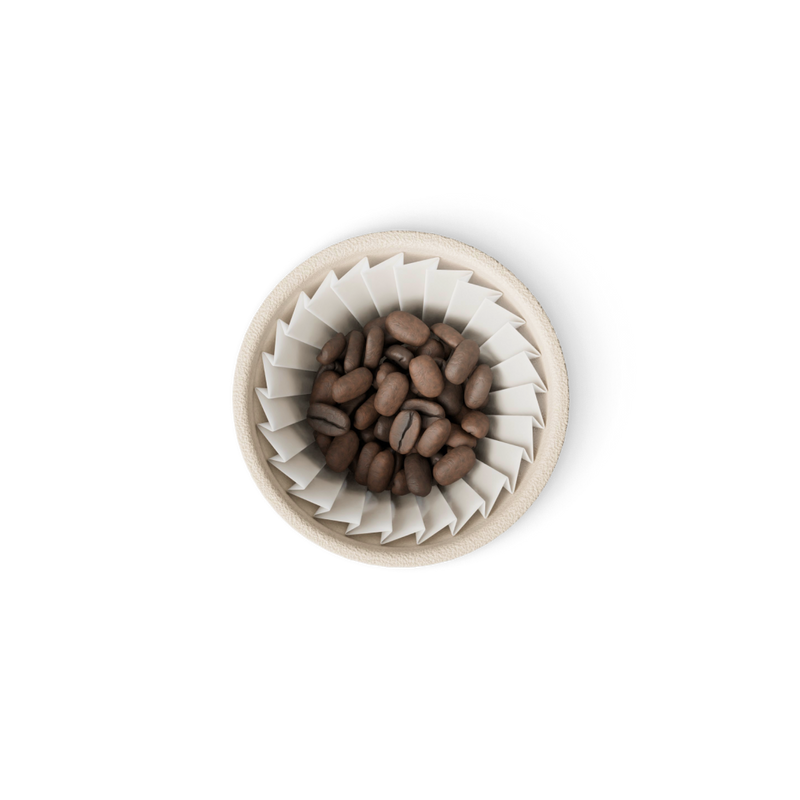
The dripper holds the coffee filter and controls how water moves through the coffee bed. You'll commonly see cone shaped brewers, flat bottom brewers, and trapezoidal designs. Their shapes and hole patterns can affect the flow rate and the way the coffee bed forms, so different brewers can produce noticeably different results. For a beginner, the most important thing is not finding the "perfect" dripper. Pick one and learn how it behaves.
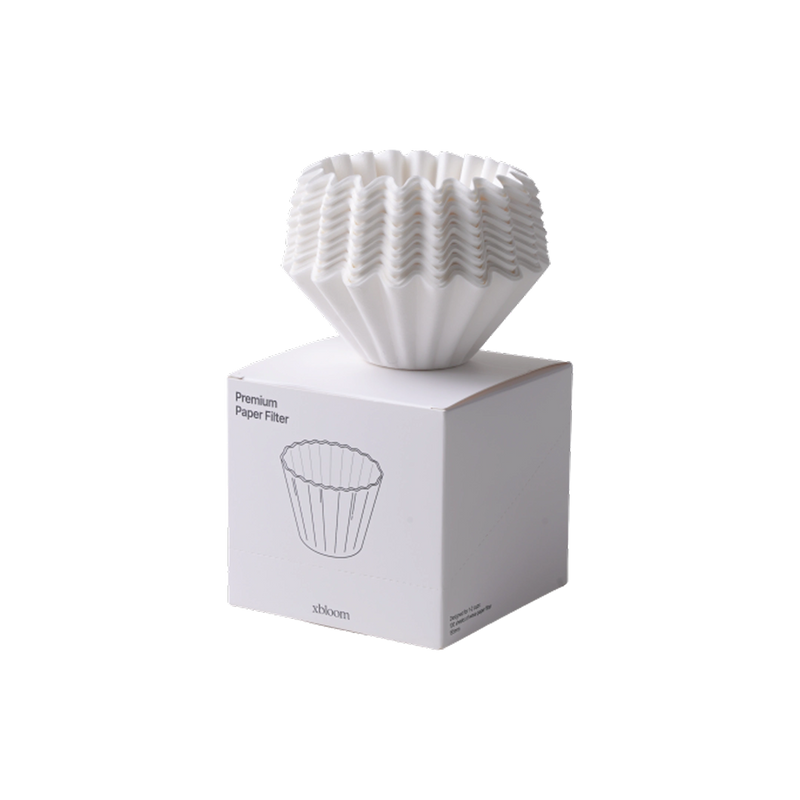
A Coffee Filter
Paper filters are the most common choice for pour over. They remove most of the coffee grounds and oils, producing a cleaner cup than many metal filters. Filters are not completely interchangeable, either. Their shape, material, thickness, and flow rate can affect how quickly water moves through the brewer and, ultimately, how the coffee extracts. That is why the filter is part of the brewing recipe, not just something you use to keep coffee grounds out of your cup.
A Grinder
Freshly ground coffee is one of the easiest ways to improve your pour over. Coffee gradually loses aroma and flavor after roasting, and grinding exposes more of it to oxygen. Grinding just before brewing helps preserve more of the coffee's character. A good grinder also gives you control over grind size and, ideally, produces particles that are relatively consistent. That makes it easier to adjust your brew and understand what is happening in the cup.
A Kettle
A gooseneck kettle gives you more control over how quickly and where water enters the coffee bed. It can be especially useful once you start experimenting with different pouring techniques. You don't need to perfect your pouring technique on day one. The important thing is being able to pour steadily and repeatably.
A Scale
A scale might be the least exciting piece of equipment on the counter, but it is one of the most useful. Measuring your coffee and water by weight gives you a consistent starting point. Instead of guessing whether you used "about two scoops" of coffee, you can repeat the same recipe and make meaningful adjustments. And that's the key to learning pour over: you need to know what changed.
What Coffee Should You Use for Pour Over?

Almost any coffee can be brewed as pour over.
Light-roasted specialty coffees are particularly popular because the method can highlight acidity, sweetness, aroma, and other characteristics that may be less obvious in some darker roasts. But that doesn't mean darker roasts or blends are wrong for pour over. If you prefer chocolatey, nutty, or more developed flavors, there's no reason not to brew them this way.
For your first few brews, choose a coffee you actually want to drink rather than worrying about finding the "right" roast level. A simple rule is even better: start with one coffee and learn how it behaves before constantly switching beans. That gives you another variable you can keep consistent while you're learning.
Discover More Specialty Coffee
An Easier Way to Brew: Automatic Pour-Over

Manual pour over gives you a lot of control, but it also means you have to repeat that control yourself every time you brew. You grind the coffee. You heat the water. You weigh the dose. You bloom. You pour. You watch the scale. You adjust the flow. For some people, that's exactly what they enjoy about pour-over.For others, the appeal is being able to enjoy that style of coffee without having to manually manage every part of the process.
That's where automatic pour over comes in.
Learn more: What is a Bean-to-Cup Pourover? A New Kind of Automatic Pourover Coffee Maker
Rather than treating automatic brewing as a completely different kind of coffee, it's useful to think of it as another way to control the brewing process. A good automatic brewer can make key parts of the process more repeatable while still giving you room to experiment.
This is especially useful when you're learning. When grind size, water temperature, water delivery, and brew weight are more consistent, you can focus on figuring out what you actually like.
How Studio Makes Pour-Over More Approachable
A Simpler Way to Enjoy Pour-Over at Home
Pour-over coffee can be rewarding, but getting started often means buying several pieces of equipment and learning how to use them together. xBloom Studio brings grinding, weighing, heating, and brewing into one machine, making it easier to enjoy freshly brewed coffee at home.
Everything You Need in One Machine
With a built-in grinder, an integrated scale, and automatic brewing, Studio brings the essential steps together in one setup. You can spend less time managing separate tools and more time enjoying your coffee.
Brew Your Way
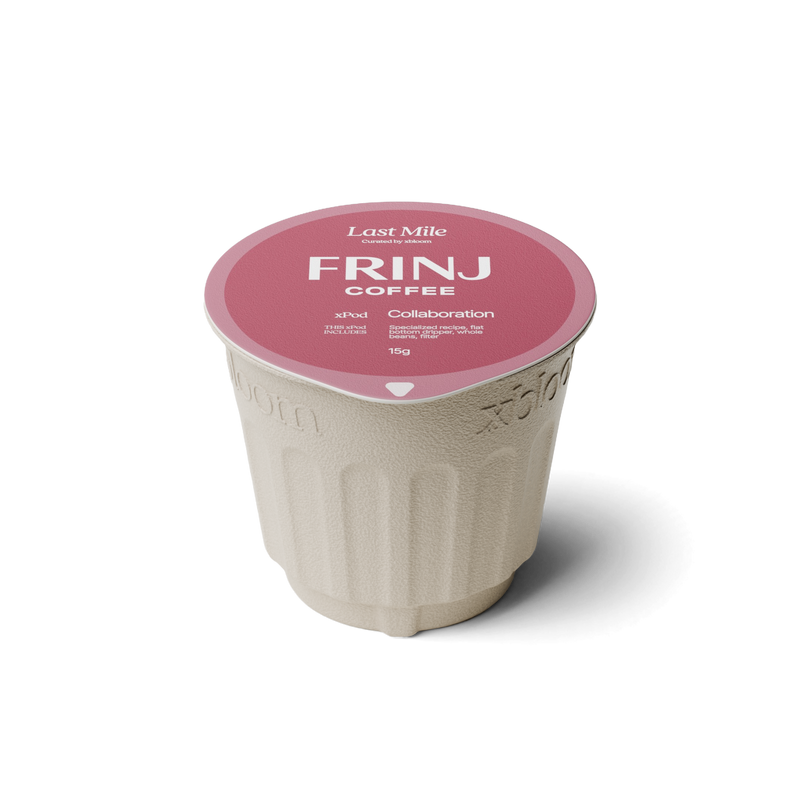
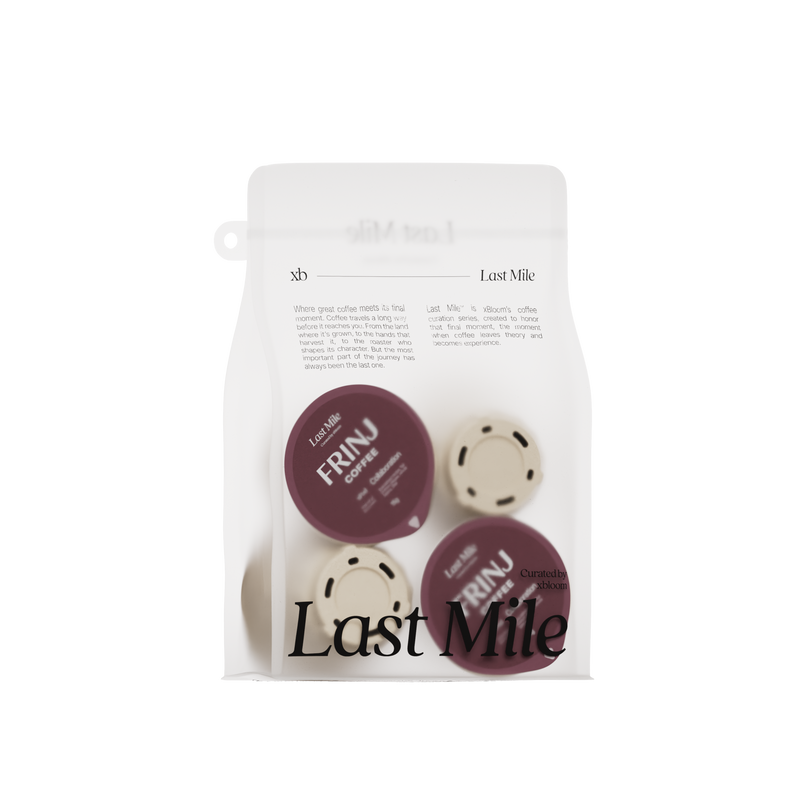
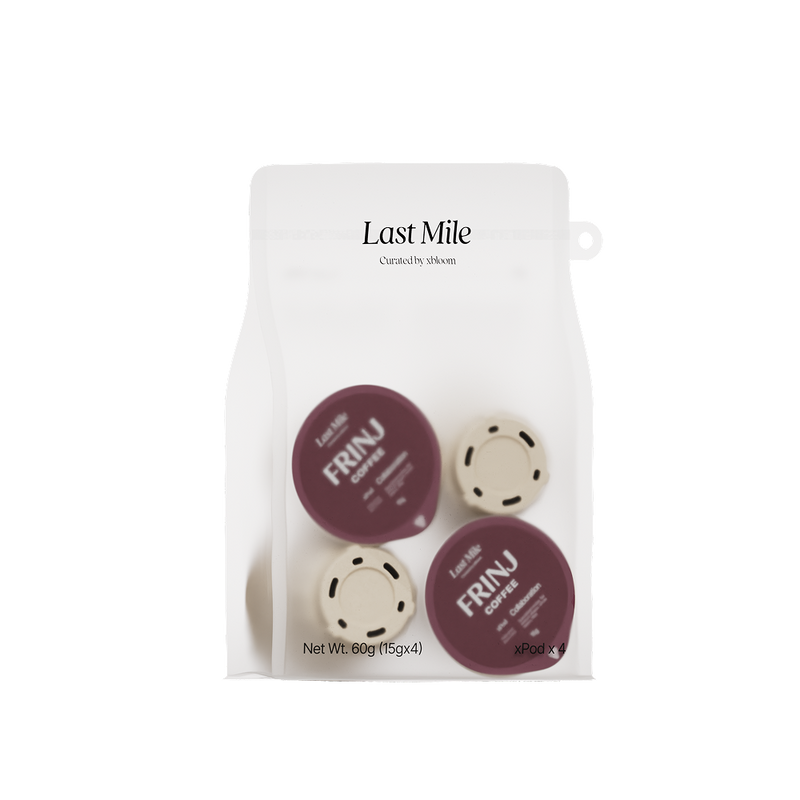
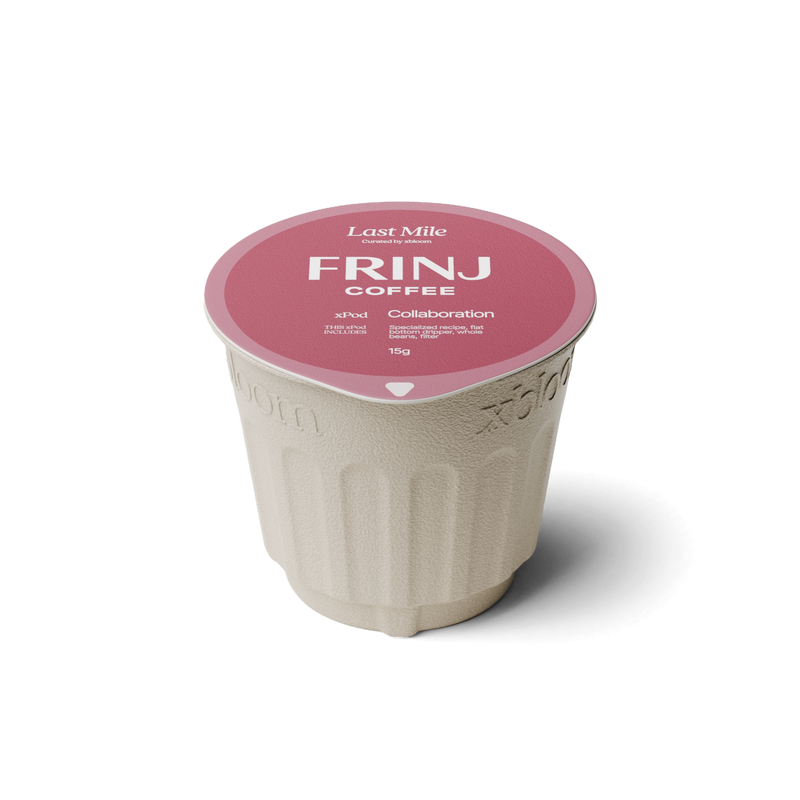
Studio offers three ways to brew, depending on how involved you want to be. Use xPods for one-touch brewing with preset recipes, customize your brew with your own beans, or take a more hands-on approach to the brewing process. You can keep things simple or adjust your brew as your preferences develop.
Room to Try Something New
When you're ready to do more, Studio gives you the flexibility to experiment with your own beans and brewing settings. The Omni Dripper offers another way to brew, giving you more room to try different recipes and techniques. You don't need to know everything about pour-over to get started. Studio makes the basics more approachable while giving you the flexibility to do more when you're ready.
Ready to make the process a little simpler?
Explore a more consistent way to brew pour over with xBloom Studio, or start experimenting with xBloom paper filters.
FAQ
What do I need to make pour over coffee?
You don't need much to get started. A basic pour over setup includes a brewer, paper filter, fresh coffee, a grinder, a kettle, and a scale. Start with what you have and add gear as you get more into pour over.
What grind size is best for pour over coffee?
Start with a medium to medium-fine grind. If your coffee tastes too sour, try grinding a little finer. If it tastes too bitter or dry, try going a little coarser.
What kind of filter should I use for pour over coffee?
Paper filters are the most common choice for pour over coffee. Different filters can affect how quickly water passes through the coffee, so trying a different filter can be a simple way to experiment with your brew.
Can beginners use an automatic pour over coffee maker?
Yes. Automatic pour over can be an easier way to get started because it handles parts of the brewing process for you. You can start with a set recipe and gradually experiment with things like grind size, ratio, and brewing time as you get more comfortable.
Is pour over coffee better than other brewing methods?
Not necessarily. Pour over is simply a different way to brew coffee, with more control over how water moves through the coffee. If you enjoy a clean cup and like experimenting with different coffees, it can be a great method to try.

