Automatic pour-over coffee makers can simplify your daily brewing routine, but not all machines offer the same experience. Some automate the pouring process, while others combine grinding, weighing, and brewing in one setup.
Depending on the model, you may also be able to customize water temperature, pouring patterns, and brewing recipes. The key is finding the right balance between convenience, brewing control, and the equipment you already own.
This guide covers the features that matter most, the trade-offs worth considering, and how to choose a machine that fits the way you make coffee.
What Is an Automatic Pour-Over Coffee Maker?
Before we get into the buying criteria, let’s start with what an automatic pour-over coffee maker actually does. With traditional pour-over, you pour hot water over ground coffee and let it flow through the grounds and a filter into your cup. Water temperature, coffee-to-water ratio, pouring technique, and brew time all affect the final taste.
An automatic pour-over coffee maker automates the water delivery and brewing process. Depending on the model, it may also include a grinder and scale, bringing several steps together in one machine. The main benefit is more consistent brewing with less hands-on work.. Instead of managing every pour yourself, you can let the machine follow a brewing recipe while still adjusting settings to explore different coffees and flavors.
Think of it as having the machine handle the brewing technique while you decide how you want your coffee to taste.
What Should You Look for in an Automatic Pour-Over Coffee Maker?
Automatic pour-over coffee makers vary in both features and brewing control. Before choosing one, consider two questions: How much of the work do you want the machine to handle, and how much control do you want over the brewing process?
Some machines automate water delivery but require a separate grinder and scale, while others combine grinding, weighing, and brewing in one system. They also differ in brewing adjustments, recipe management, and maintenance requirements. Understanding these differences can help you identify which features fit your routine and are worth paying for.
Grinding: Do You Need a Built-In Grinder?
Some automatic pour-over coffee makers have a built-in grinder, bringing grinding and brewing together in one workflow. If you want to start with whole beans and make coffee using a single machine, this all-in-one design can make your routine simpler.
But if you already own a grinder you like, or prefer to choose and upgrade your grinding equipment separately, a brewer without a built-in grinder may be a better fit.
Brewing Control: What Can You Actually Adjust?
Automatic pour-over coffee makers vary in how much control they offer over these parameters. Some rely mainly on preset programs, while others let you adjust water temperature, water volume, and pouring stages to suit different coffees and brewing preferences.
More controls give you more room to experiment. If convenience is your priority, look for a machine with straightforward controls and useful presets. If you enjoy exploring different coffees, you may prefer one that gives you more flexibility over brewing parameters.
Recipes and Repeatability: Can You Recreate a Brew You Like?
When you find a brewing recipe you enjoy, you’ll probably want to get a similar result the next time. That’s where recipe management comes in. A coffee recipe can include grind size, water temperature, coffee-to-water ratio, bloom time, and pouring stages. A machine that saves these settings can repeat the same brewing process, reducing the differences that come with adjusting everything by hand each time.
Not all machines handle recipes the same way. Some offer fixed presets, while others let you create and save your own. Some can also use recipes provided by coffee roasters.
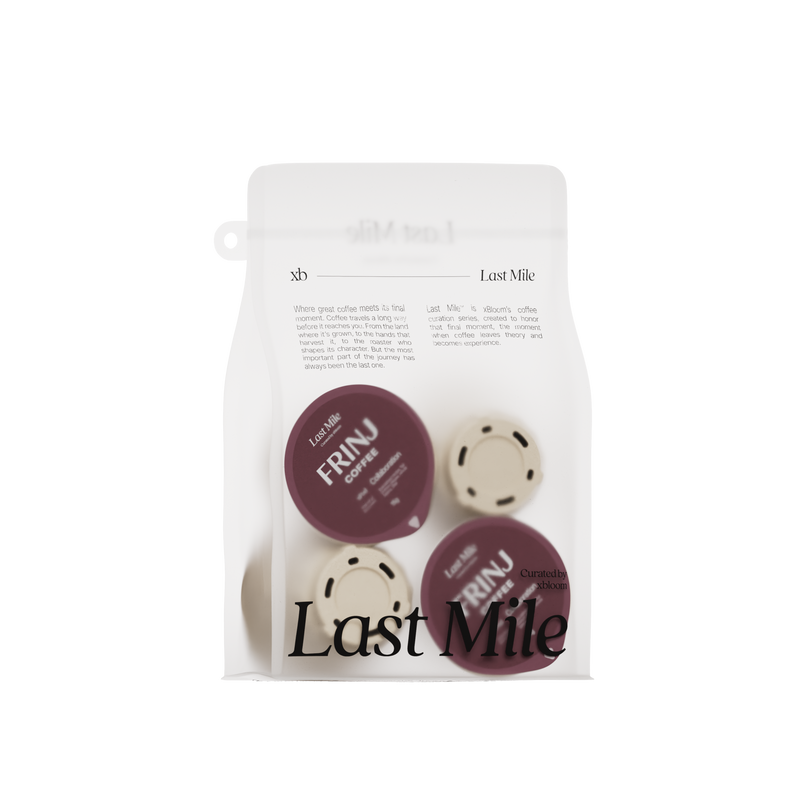
For specialty coffee drinkers, roaster recipes can be especially useful. They give you a starting point based on how the roaster recommends brewing a particular coffee, so you don’t have to figure out every setting from scratch whenever you try a new bag of beans.
Ease of Use and Maintenance
Automation can reduce the hands-on work involved in brewing coffee, but it doesn’t mean the machine is maintenance-free. Parts such as the filter basket, water tank, and grinder may need regular cleaning. Check how easy these parts are to access and clean, and find out what routine maintenance involves.
The controls are worth considering, too. Some machines handle everything on the device itself, while others offer an app for browsing recipes, managing settings, or adjusting brew parameters. An app can add useful features, but it’s worth checking whether the machine is still convenient to use and whether any essential functions depend on your phone or an internet connection.
Finally, check the warranty, after-sales support, and availability of replacement parts.
Quick Buying Checklist
Use this checklist to compare the features that matter most to your brewing routine.
| Category |
Questions to Ask Before Buying |
| Grinding |
- Will you need to purchase a separate grinder and scale?
- Can you adjust the grind size? Are there enough settings for your needs?
- Is the grinding area easy to clean and maintain?
|
| Brewing Control |
- Can you adjust the water temperature and brew volume?
- Does the machine support blooming and staged pouring?
- What pouring modes are available, and can you adjust their settings?
- Are the controls intuitive, and do they offer the flexibility you actually need?
|
| Recipes |
- Does the machine offer fixed presets, or can you create and save your own recipes?
- Can you easily reuse your favorite settings?
- Can you use recipes provided by coffee roasters?
- Where do you find recipes, and how do you load them onto the machine?
|
| Maintenance |
- Are the coffee grounds and water tank easy to clean out?
- Which parts need regular maintenance or replacement?
- Can you access the core brewing functions directly on the machine?
- Do the warranty, customer support, and replacement parts meet your expectations?
|
Which Type of Brewer Fits Your Routine?
The right coffee maker is one that fits the way you actually make coffee. Start with your everyday routine and consider which features would make the biggest difference.
If you want to save time in the morning
Look for a machine that combines grinding, weighing, and brewing. By bringing these steps together, it reduces the need for extra equipment and manual work, making it easier to go from whole beans to a finished cup. An all-in-one design can be especially useful if your mornings are busy, but you still care about the quality of your coffee.
If you enjoy exploring specialty coffee
Look beyond grinding and brewing controls. Consider whether the machine supports recipes from different coffee roasters. Starting with a roaster’s recommended recipe gives you a useful baseline whenever you try a new coffee. From there, you can adjust the settings to suit your own taste.
If you like experimenting with brewing parameters
Look for control over water temperature, grind size, brew volume, and pouring modes. It also helps if the machine lets you create and save recipes. That way, you can compare how different settings affect your coffee without having to start from scratch every time.
Who Is Studio Best For?
xBloom Studio brings grinding, weighing, and automatic brewing together in one machine, with different levels of automation and brewing control. Beyond simplifying the brewing process, it connects everyday coffee making with roaster recipes and opportunities to experiment.
For People Who Want a Simpler Daily Routine
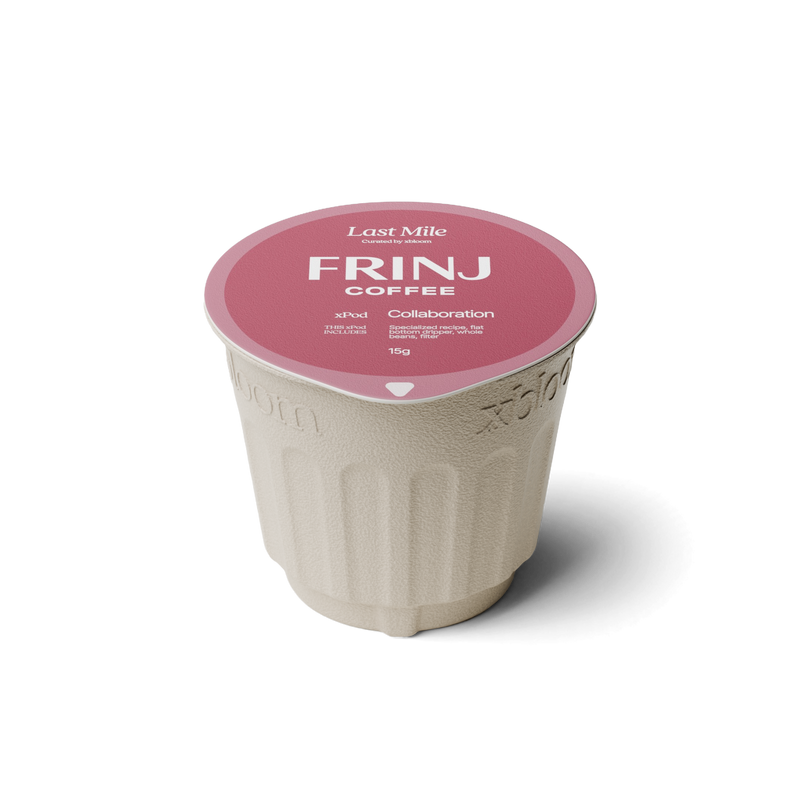
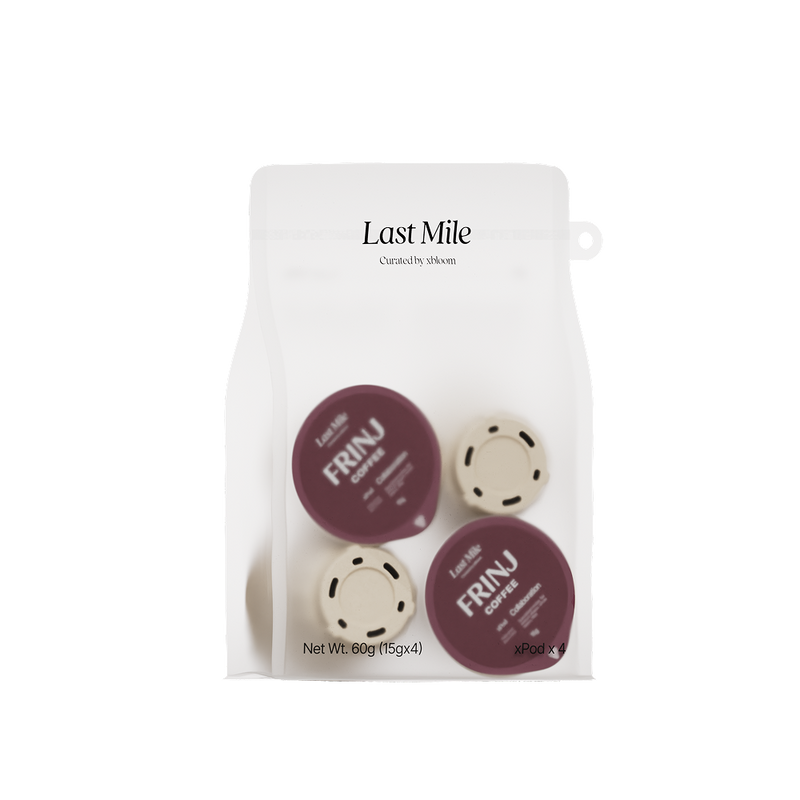
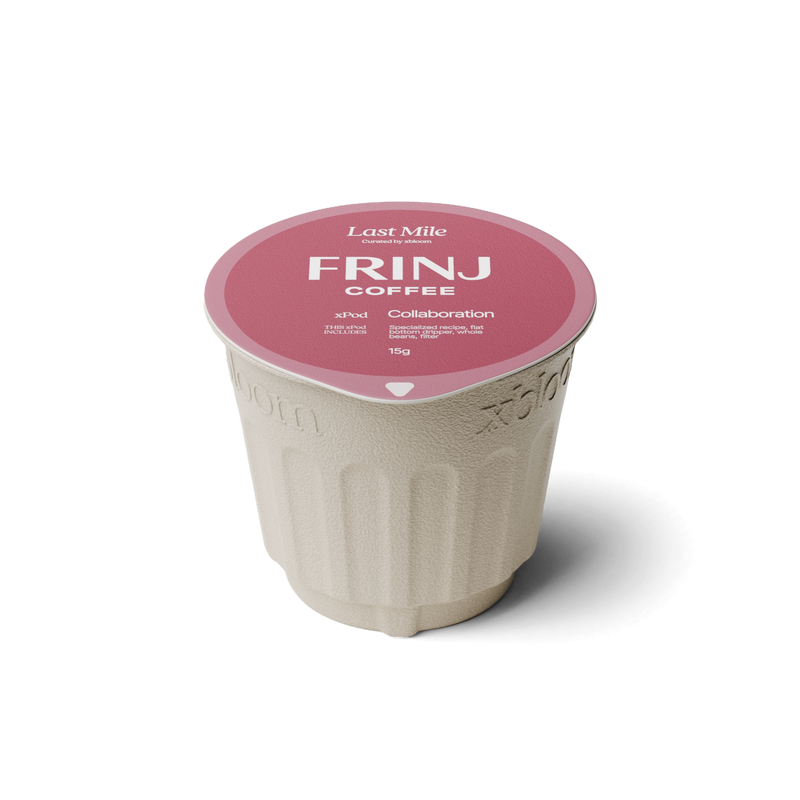
Studio brings grinding, weighing, and brewing together in one machine, so you need fewer separate tools. Its built-in grinder offers 80 grind settings, and the integrated scale measures in 0.1 g increments. With xPods, you can brew with one tap. Studio reads the recipe from the xPod’s NFC card and applies the corresponding settings, making your daily coffee routine simpler.
For People Who Enjoy Exploring Different Roasters and Coffees
Trying beans from different roasters is easier when you have a good place to start. xBloom provides brewing recipes for eligible coffees, helping you get started without having to figure out every setting yourself. Follow a recommended recipe, then adjust it to suit your taste. It’s an easy way to enjoy different coffees and learn what you like.
For People Who Enjoy Adjusting Settings and Experimenting with Their Brews
If you enjoy the process of making coffee as much as drinking it, Studio gives you room to experiment. You can customize supported brewing settings, including grind size, water temperature, and pouring parameters. Or you can start with a roaster-recommended recipe, change the settings, and compare the results. A recipe gives you a starting point, not a fixed answer.
Choosing an automatic pour-over coffee maker comes down to finding the right balance of convenience, brewing control, and everyday usability. Think about which features you'll use regularly, how much flexibility you want, and whether the machine fits the way you enjoy making coffee. The right choice is the one that fits your routine and gives you the level of control you want.
FAQ
What is an automatic pour-over coffee maker?
An automatic pour-over coffee maker automates the process of delivering hot water over coffee grounds and through a filter. It helps simplify manual pour-over brewing while maintaining control over key brewing parameters.
What is the difference between an automatic pour-over coffee maker and a drip coffee maker?
Both use hot water and a filter to brew coffee, but they can differ in how water is delivered and how much control you have over the brewing process. An automatic pour-over coffee maker may offer adjustable pouring patterns, bloom stages, and customizable brewing recipes. Traditional drip coffee makers typically focus on straightforward, repeatable brewing with fewer parameters to adjust. Features vary by model.
What features should I look for in an automatic pour-over coffee maker?
Key features include grind size adjustment, water temperature control, brew volume settings, bloom and pouring options, recipe customization, and ease of maintenance. If you enjoy specialty coffee, consider whether the machine supports saved brewing recipes or recommendations from coffee roasters. The best automatic pour-over coffee machine is one that balances convenience with the level of control you actually need.
Can I use my own coffee beans with xBloom Studio?
Yes. xBloom Studio supports brewing with your own coffee beans. Studio lets you customize supported brewing parameters, including grind size, water temperature, and pouring settings. FreeSolo mode offers a more hands-on brewing experience. This flexibility lets you explore different coffees and adjust your brewing approach to suit your taste.
Unlike Nespresso’s pre-ground espresso pods, xBloom grinds fresh beans and brews pour-over style for a smoother, more balanced cup that lets you taste every flavor note.
xBloom Studio doesn’t brew espresso, but it can grind beans to espresso fineness for use with your espresso machine.