







What is a Bean-to-Cup Pourover? A New Kind of Automatic Pourover Coffee Maker

For decades, the automatic pour over coffee maker category barely existed. Home coffee equipment was divided into two worlds: convenience machines built for speed, and manual pour over setups built for quality.
On one side: bean to cup machines, pod brewers, and drip systems designed for consistency and convenience. Fast, automated, predictable, but rarely capable of producing the clarity, nuance, and extraction quality associated with specialty coffee. On the other: manual pour over, a brewing method celebrated precisely because it is slow and deliberate. Grinding fresh beans, controlling water temperature, managing bloom timing, and adjusting pour patterns by hand. The process rewards skill, but it also demands time, repetition, and consistency.
The assumption behind the category has long been simple: convenience and quality sit at opposite ends of the spectrum. A bean-to-cup pourover system challenges that assumption entirely. It combines the precision and sensory quality of specialty pour over with the accessibility and automation traditionally associated with consumer coffee machines. Whole beans go in, a finished pour over comes out. But unlike conventional bean to cup machines, the brewing logic is built around specialty coffee principles rather than speed alone. This is the category xBloom was built to define.
What “bean-to-cup pourover” actually means?

Until recently, consumers largely had to choose between two compromises: the convenience of a bean-to-cup machine, or the precision and ritual of specialty pour over. The idea of a true bean-to-cup pourover system, one that combined fresh grinding, dynamic brewing control, and specialty extraction logic in a single workflow, barely existed in consumer coffee. xBloom sits at the intersection of bean-to-cup convenience and specialty pour over. The result is not simply another automatic brewer, but a new category designed specifically for specialty coffee at home.
The term “bean-to-cup” is familiar in espresso. It usually describes machines that automate grinding, dosing, tamping, and extraction internally. Convenience is the selling point. “Pour over,” meanwhile, has historically implied the opposite: manual technique, barista skill, and hands-on brewing control. Putting the two ideas together sounds contradictory at first. But that contradiction is exactly what makes the category meaningful. A bean-to-cup pour-over system automates the physical complexity of specialty brewing while preserving the variables that actually matter to cup quality: fresh grinding, precise water temperature, bloom timing, pour pattern, flow rate control and brew-by-weight accuracy.
In many ways, it represents the evolution of the grind and brew pour over concept, but rebuilt around specialty coffee standards rather than convenience alone. In other words, the machine handles the execution, while the coffee itself still behaves like real specialty coffee. This is fundamentally different from standard drip automation. It is also different from pod systems that rely on pre-ground coffee and fixed extraction profiles. A bean-to-cup pour-over system is designed around preserving origin character, extraction precision, and freshness, the same priorities that define third-wave coffee culture.
The Technical Foundation of a Smart Pour Over Machine
The reason the automatic pour over coffee maker category did not emerge earlier is simple: automating specialty pour over is technically difficult. Real pour over quality depends on controlling multiple brewing variables simultaneously, not just dispensing hot water over coffee grounds. A modern smart pour over machine has to reproduce decisions a trained barista normally makes by hand.
At xBloom, achieving this begins with three integrated components: grinding, precision weighing, and controlled brewing.
The Grinder. The xBloom Studio uses a 48mm stainless steel conical burr grinder with 80 stepped grind settings and adjustment precision of 18.75 microns per step. Variable RPM control between 60–120 RPM allows the grinder to behave differently depending on roast profile and extraction goals. Lower RPM grinding preserves delicate aromatics in lighter roasts, while higher RPM settings support espresso and darker roast workflows. Combined with near-zero retention design and an integrated anti-static de-ionizer, the system minimizes inconsistency before brewing even begins.

The Precision Scale. Consistent brew ratios are critical for specialty coffee. The integrated scale in the xBloom Studio monitors both coffee dose and water input in real time. Brew-by-weight control ensures that each extraction follows the exact recipe parameters, automatically adjusting flow rate to match target ratios. This precision allows roaster-developed recipes to translate faithfully into the cup, whether using xPods or the Omni Dripper with your own coffee.

The Kinematic Brewer. Traditional manual pour-over relies heavily on pouring technique: spiral pours, center pours, bloom saturation, and controlled flow rate all influence extraction behavior within the coffee bed. The xBloom Studio approaches this with a kinematic brewing system featuring dynamic water-flow control. Instead of simply dispensing water from a fixed shower head, the brewer physically moves during extraction to recreate the motion patterns used in manual specialty brewing.

The movement system continuously adjusts pouring position, flow rate, and saturation pattern throughout the brew cycle, creating a brewing motion that closely mimics a hand pour-over while maintaining repeatable precision across every cup. The system can reproduce spiral, circular, and center pours while adjusting water delivery with consistency difficult to achieve manually. Water temperature is adjustable from 40°C to 98°C with 1°C precision, allowing recipes to adapt to different origins and roast levels.
By integrating grinder, scale, and brewer, the xBloom Studio creates a single, highly repeatable workflow that preserves the variables that actually matter to specialty coffee: clarity, balance, and origin character. This is the foundation that makes a bean-to-cup pour-over possible in the home.
From Coffee Machine to a Connected Bean-to-Cup Pourover System
Building on this technical foundation, the xBloom Studio transforms the home coffee experience into a connected system rather than a single appliance. Most conventional coffee machines treat beans, water, and brewing as separate, standardized components. The result is predictable, but it cannot fully capture the nuances of specialty coffee.
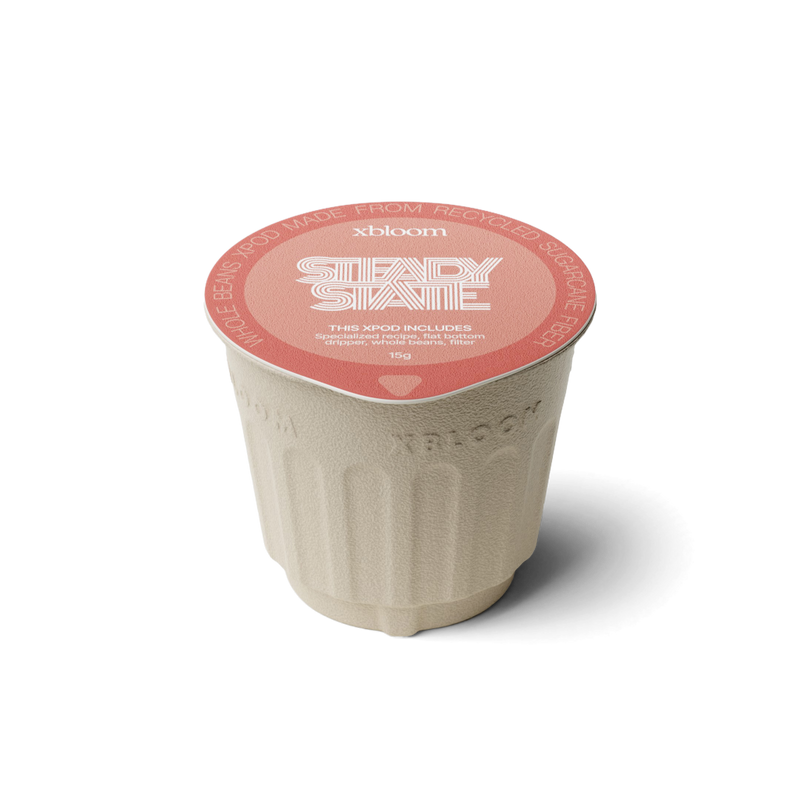
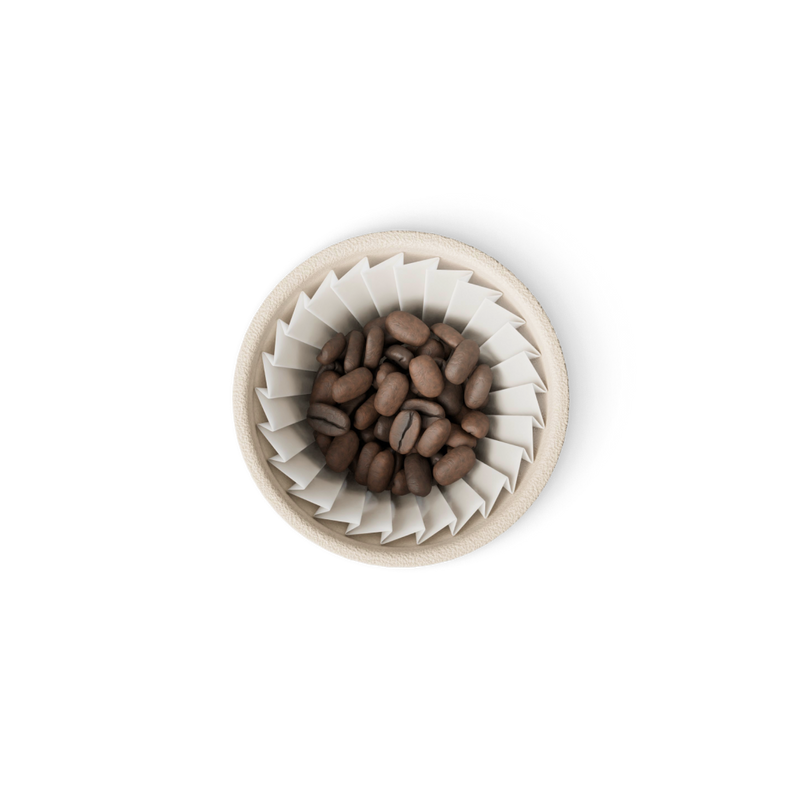
Within the xBloom ecosystem, xPods allows roasters to transmit recipes directly to the machine. Each xPod contains a brewing recipe that specifies grind size, bloom timing, water temperature, and pour patterns, so home users can enjoy the same results as a café without manual trial and error.

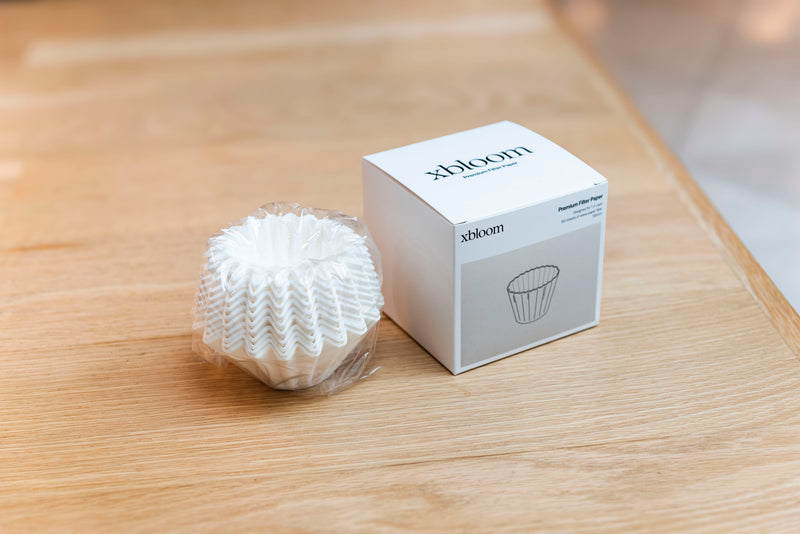
For those who want more flexibility, the Omni Dripper 2 allows users to brew their own coffee using compatible flat-bottom drippers and filters, while still leveraging the Studio’s integrated grinder, precision scale, and kinematic pouring system. This ensures that automation and manual experimentation coexist, making specialty coffee more accessible without compromising quality.
By treating coffee as a connected system, the bean-to-cup pour-over category bridges the gap between convenience and craft. Automation supports consistency, but the integrated workflow preserves the variables that actually matter to flavor, origin, and freshness. This is why xBloom sits at the intersection of bean-to-cup convenience and specialty pour-over, defining a category that did not previously exist in consumer coffee.
Explore the bean-to-cup pourover system
Why the automatic pour over coffee maker category is evolving?
As specialty coffee continues to move into home environments, the demand for better brewing experiences is growing alongside it. People increasingly want coffee that feels intentional, traceable, and high quality, but they also want workflows that fit into everyday life. That is why the automatic pour over coffee maker category is beginning to evolve beyond traditional drip systems and and basic automatic grind and brew coffee makers.
The future of home coffee likely does not belong entirely to manual brewing or full automation. It belongs somewhere between the two: systems capable of preserving craft-level quality while reducing the friction required to achieve it consistently. xBloom’s approach represents a new generation of integrated pour-over machine design, one built around specialty coffee rather than adapting commercial drip technology for home use. That is the space bean-to-cup pour-over was built to occupy.
The deeper significance of the bean-to-cup pour-over category is not automation alone. It is accessibility.
xBloom’s mission is to “remove barriers for coffee lovers to enter the world of specialty coffee and to bring better quality beans to households everywhere.”
Explore xBloom’s approach to coffee sustainability →
The goal is not replacing baristas with machines. Specialty coffee has always been built on human expertise: farmers, processors, roasters, and café professionals shaping flavor through craft and experience. The role of technology here is different. It is about translating complexity into something approachable without stripping away the qualities that make specialty coffee meaningful in the first place.
A bean-to-cup pour-over system democratizes access to precision. It allows someone with no formal brewing background to experience coffees the way roasters intended them to taste while still giving enthusiasts room to experiment through deeper control modes. This is why the category feels fundamentally different from older automation-first coffee products. The purpose is not removing coffee ritual. It is removing unnecessary friction between curiosity and quality.
Explore more about xBloom Studio→
Frequently asked questions
What is a bean-to-cup pourover ?
A bean-to-cup pour-over is a coffee machine that takes whole coffee beans and automates the specialty pour over process from grinding to brewing. Unlike traditional bean-to-cup espresso machines, a bean-to-cup pour-over is designed around pour over extraction principles such as precise grind size, controlled water flow, bloom timing, and brew-by-weight accuracy.
How is a bean-to-cup pour-over different from a regular coffee maker?
Most standard drip coffee makers use simplified brewing systems with fixed water flow and limited extraction control. A bean-to-cup pour-over system is designed to replicate specialty coffee brewing techniques more precisely, including fresh grinding, controlled pour patterns, dynamic flow rate adjustment, and temperature accuracy tailored to different coffees.
Is a bean-to-cup pour-over fully automatic?
Yes, but the level of control depends on the system. Machines like the xBloom Studio can operate in fully automated modes for convenience while also allowing users to customize brewing variables such as grind size, temperature, flow rate, and pour structure for a more hands-on specialty coffee experience.
What makes pour over coffee taste different?
Pour over brewing emphasizes clarity, balance, and origin character because the extraction process is highly controlled. Variables such as grind consistency, water temperature, bloom timing, and pouring technique all influence flavor. A well-executed pour over can highlight sweetness, acidity, and aroma with greater precision than many conventional brewing methods.
Can an automatic pour over coffee maker produce specialty coffee quality?
It depends on how much brewing control the machine offers. Many conventional automatic brewers prioritize convenience over extraction precision. A specialty-focused automatic pour over coffee maker uses variables such as precise grind adjustment, controlled flow rate, accurate water temperature, and brew-by-weight monitoring to achieve café-level consistency.
Why does xbloom describe itself as a bean-to-cup pourover system?
xBloom combines an integrated conical burr grinder, precision scale, and kinematic pour over brewer into a single workflow built specifically for specialty coffee. The term “bean-to-cup pour-over system” reflects both the automated experience and the preservation of real specialty pour over brewing principles.
Can I still customize brewing on a smart pour over machine?
Yes. While automated modes simplify brewing for beginners, systems like xBloom also support advanced control through customizable recipes, adjustable temperature, flow rate changes, and manual brewing modes designed for enthusiasts who want to experiment more deeply with extraction.


