








Iced Coffee Brewing Methods: A Guide to Specialty Coffee at Home

Summer brings iced coffee back into daily routines, but iced coffee is far more than coffee poured over ice. In specialty coffee, different iced brewing methods can completely change how a coffee tastes in the cup: from bright and fruit-forward to deep, mellow, and chocolatey.
Methods like flash brew, cold brew, ice drip, and traditional iced coffee all approach extraction differently. Some rely on heat and rapid chilling to preserve acidity and aromatics, while others use time and cold water to create a softer, smoother profile. Understanding how these methods work is part of what makes specialty iced coffee so interesting. Small changes in temperature, dilution, and brew structure can dramatically shape clarity, body, sweetness, and aroma.
In this guide, we break down the four main iced coffee brewing methods, how each one works, and how to choose the right approach for your preferred flavor experience.
The Four Main Iced Coffee Brewing Methods
Flash Brew (Japanese Iced Coffee)

Flash brew coffee, often called Japanese iced coffee or iced pour over coffee, is a precise method that integrates hot thermal extraction with instantaneous cooling. Instead of cooling brewed coffee afterward, the coffee is brewed directly over ice from the beginning, allowing extraction and chilling to happen at the same time.
What makes flash brew different is that the ice is built into the recipe itself. Part of the brew water is replaced with ice in the server or carafe below the dripper. As the hot coffee flows onto the ice, it cools almost immediately while also reaching the intended dilution.
Because the coffee is still extracted with hot water, flash brew preserves many of the bright acids and delicate aromatics that are often lost in cold extraction methods. Rapid chilling helps maintain clarity and freshness in the cup, which is why this method is especially popular for light roast and fruit-forward coffees.
How to Make Flash Brew?
1. Divide the water budget: select your target iced coffee recipe ratio. For a clean, balanced cup, a 1:15 ratio works beautifully. If you are using 20 grams of coffee, your total water weight is 300 grams. Split this budget before you begin: weigh out 110 grams of solid ice cubes and place them directly into your serving carafe, then fill your kettle with 190 grams of filtered water.
2. Optimize grind size: because you are passing a compressed volume of hot water through the coffee bed, you need to adjust your grind size slightly finer than your standard hot pour-over setting. This increases surface area, ensuring the water efficiently extracts the full flavor profile within a shorter contact time.
3. Brew like a pour over: heat your water to 93°C–96°C to maximize extraction energy. Rinse your paper filter with hot water to remove any paper taste, discard the rinse water, and add your coffee grounds. Pour 40 grams of water to bloom the bed for 30 to 45 seconds. Pour the remaining 150 grams of water in two or three gentle, circular pulses, allowing the water to drain slightly between each pour.
4. Swirl and serve: as the hot coffee distillate drops from the filter cone, it will immediately hit the ice below. By the time the final pour draws down completely, the hot liquid will have perfectly melted the 110 grams of ice. Give the carafe a quick swirl to achieve thermal equilibrium, leaving you with an instantly chilled, perfectly extracted beverage at approximately 4°C.
Sensory Profile
Flash brew coffee tends to feel bright, crisp, and highly expressive. It often highlights floral, citrus, or fruit-forward notes, especially when paired with light-roasted, washed coffees.
Ice Drip (Cold Drip)

Ice drip coffee, sometimes called cold drip coffee, is one of the slowest and most delicate approaches to iced coffee brewing. Instead of immersing coffee grounds in water like cold brew, ice drip relies on cold water moving gradually through the coffee bed over several hours, one drop at a time.
A typical setup places ice and water in an upper chamber above the coffee grounds. As the ice slowly melts, the water drips downward at a controlled pace, gradually extracting the coffee before collecting in the lower server below.
Because the extraction moves so slowly, small adjustments can noticeably change the final cup. Grind size, drip speed, and even room temperature all influence how the coffee develops over time. Compared to immersion methods, ice drip tends to produce a cup with more clarity and structure, while still maintaining the smoothness associated with cold extraction.
How to Make Ice Drip?
1. Prep the coffee bed: use a medium to coarse grind and distribute the grounds evenly inside the brewer. Many brewers place a paper filter or dispersion screen on top of the coffee bed to help distribute water more evenly instead of punching a hole straight through the center.
2. Add the ice and water: fill the upper chamber with an equal mix of clean ice cubes and cold filtered water. The melting ice helps regulate temperature throughout the brewing process.
3. Adjust the drip rate: a common starting point is around one drop per second or about 45 to 60 drops per minute. Make sure to check back after an hour or so, because as the ice melts and the weight shifts, the drip rate can slow down on its own. This degradation of flow rate inconsistencies directly alters the extraction yield.
4.Chill and serve: brewing typically takes between 4 and 8 hours, depending on the setup and recipe. Once brewing is complete, store the coffee cold before serving over ice or straight from the refrigerator.
Sensory Profile
Ice drip coffee is often lighter and more transparent than cold brew, with a cleaner structure and more defined acidity. It can highlight delicate florals, tea-like textures, and subtle fruit notes while still keeping bitterness relatively low.
Cold Brew

Cold brew is one of the most approachable ways to make iced coffee at home. Instead of using heat for extraction, it relies entirely on time: coffee grounds are fully immersed in cold or room-temperature water and left to steep for hours.
Because the brewing process is so gradual, cold brew tends to feel much more forgiving than methods like flash brew or ice drip. There is no pouring technique to manage, and no timing pressure during extraction. Once the coffee and water are combined, the process simply unfolds over time.
The extended steeping process changes the structure of the final cup. Compared to hot-brewed iced coffee, cold brew usually tastes smoother, rounder, and lower in perceived acidity. It often highlights chocolate, nutty, or deeper caramel-like flavors rather than bright citrus or floral notes.
How to Make Cold Brew?
1. Grind coffee coarse: grind your coffee beans to a uniform, coarse setting resembling raw sugar. A highly uniform grind prevents the saturated bed from turning muddy or clogging your filter during the long soak.
2. Combine coffee and water: add the coffee grounds and filtered water into a jar, brewer, or cold brew system. A common starting point is a 1:8 to 1:10 coffee-to-water ratio for concentrate-style brewing.
3. Steep for 12 to 18 hours: seal the container tightly to prevent oxidation. Cold brew can be steeped either at room temperature or in the refrigerator, depending on your preferred flavor profile and brewing schedule.
4. Filter and dilute: once brewing is complete, filter out the grounds and dilute the concentrate to taste before serving over ice.
Sensory Profile
Cold brew is typically smooth, mellow, and full-bodied, with lower perceived acidity and a softer overall structure. Compared to flash brew, it places less emphasis on brightness and aromatics, and more on sweetness, texture, and body.
Brewing note:since cold brew is often prepared as a concentrate, dilution becomes part of the final recipe. Water, milk, or ice can all change how the coffee expresses itself in the cup.
Traditional Iced Coffee

Traditional iced coffee is the classic and simple way to make iced coffee, and in many cases, the most common one people are familiar with. It is made by brewing hot coffee first and then pouring it over a glass filled with ice. Unlike flash brew, ice isn’t part of the water-to-coffee ratio, but it still cools and dilutes the coffee as you enjoy it.
How to Make Traditional Iced Coffee?
1.Brew a standard hot coffee: use your usual hot water recipe, for example, 20 grams of coffee powder to 300 grams of hot water, to brew a full-strength hot pour-over or drip coffee.
2. Prepare the ice glass : fill a serving cup to the brim with roughly 150 to 200 grams of ice cubes.
3. Pour directly over ice: transfer the freshly brewed hot coffee over the ice to force a rapid drop in temperature.
4.Serve right away: drink the beverage immediately. The ice will continuously melt and dilute the drink from your first sip to your last.
Sensory Profile
Traditional iced coffee offers a familiar coffee flavor, easy to prepare, and flexible. While the first sip may offer a heavy, familiar hot-coffee body, the mid-palate and finish may quickly flatten out, leaving a watery texture.
If the hot liquid sits in the open air before meeting the ice, chlorogenic acids degrade into bitter quinic and caffeic acids, amplifying an astringent finish. To slow this oxidation, transfer the liquid onto the ice within 30 seconds of completing the brew.
Brewing Principles for Better Iced Coffee
Across all iced coffee brewing methods, the final cup is shaped not only by the recipe itself, but also by a few fundamental variables that influence extraction, balance, and dilution. These elements quietly determine whether a coffee tastes balanced, flat, or overly sharp. Understanding these principles makes it easier to move between different brewing methods without losing control over flavor.
Water quality
Water is the base of every extraction, yet it is often overlooked. In iced coffee brewing, filtered water is especially important because cold and hot extractions both tend to amplify any impurities or imbalances in water composition. Mineral content also plays a role in how flavors are perceived. Too soft, and the coffee can taste hollow; too hard, and it may feel muted or overly structured.
Ice as an ingredient
In iced coffee, ice is not just a cooling element. It is part of the recipe. In methods like flash brew, ice is directly accounted for in the brew ratio. In traditional iced coffee, it acts as an unstructured dilution factor. Even small differences in ice quality or quantity can shift the balance, especially in lighter, more delicate brews. Clean-tasting, high-quality ice helps preserve clarity in the final cup.
Dilution control
Dilution is one of the defining challenges in iced coffee brewing. Some methods, like flash brew, treat dilution as a controlled variable from the beginning. Others, like over ice coffee, allow dilution to happen dynamically in the cup. The key difference is whether dilution is designed or reactive, and this directly affects consistency from cup to cup.
Grind size & extraction
Grind size determines how quickly compounds are extracted, especially in hot-based iced methods. Finer grinds increase extraction speed but risk over-extraction. Coarser grinds slow extraction but may reduce clarity or strength. Cold immersion methods like cold brew are more forgiving, while flash brew and over ice require tighter control to maintain balance under time pressure.
Roast selection
Roast level has a strong influence on how iced coffee expresses itself. Light roasts tend to highlight acidity, florals, and fruit clarity, making them ideal for flash brew . Medium roasts often work best for cold brew, where sweetness and body are emphasized. Darker roasts can add depth but may become heavy or muted when chilled. Choosing the right roast is less about rules and more about aligning brewing method with flavor intention.
Explore xBloom's roaster partners →
Which Iced Method Should You Choose?
Choosing an iced coffee method is often less about the coffee itself and more about how you like to experience it—whether you value clarity, convenience, control, or body in the cup. Here’s a more intuitive way to think about it.
If you are someone who enjoys clarity, acidity, and expressive flavor → Flash Brew
Flash brew is best suited for people who pay attention to aroma, brightness, and subtle flavor structure in coffee. It preserves the character of the bean while delivering a crisp, refreshing cup. If you tend to enjoy light roast, fruit-forward coffees, this method will feel most familiar to your taste preference.
If you are someone who prefers smooth, low-acidity coffee → Cold Brew
Cold brew works well for people who want something consistent, easy to prepare in batches, and naturally sweet without sharp acidity. It’s often chosen by those who value convenience and a round, mellow drinking experience over complexity.
If you are someone who enjoys precision, nuance, and hands-on brewing → Ice Drip
Ice drip is for people who enjoy the process as much as the cup itself. It requires more control, but rewards you with a clean and delicate expression of coffee. This is often preferred by those who already enjoy pour-over and want more refinement in iced brewing.
If you are someone who just wants a fast iced coffee → Traditional Iced Coffee
This method is ideal for people who prioritize speed and simplicity. It doesn’t require planning or special equipment, just brew and pour. It’s flexible, but also more dependent on intuition, since dilution happens in real time.
Specialty Iced Recipes on xBloom

In iced coffee brewing, small structural adjustments to grind size, water distribution, and dilution ratios separate an unbalanced cup from a pristine extraction. Manually adjusting these variables requires mechanical meticulousness.
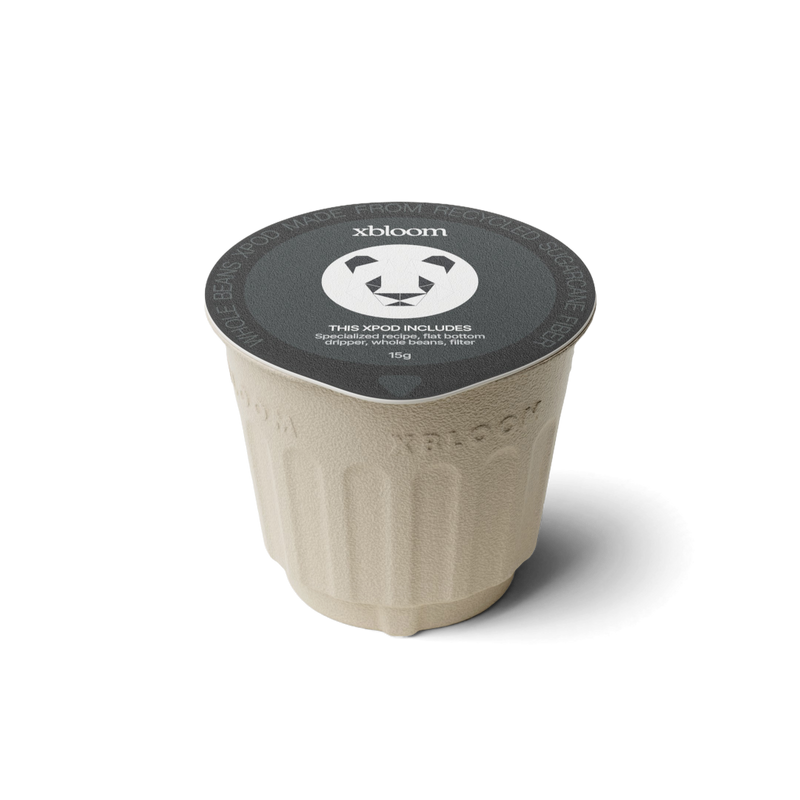
The xBloom eliminates this mechanical friction by bringing our automated bean-to-cup pourover system into the iced category. We have updated iced coffee recipes for our xPod lineup. This provides access to barista-vetted iced extractions at home, executing these exact parameters automatically.
How to Access Iced Recipes:
1. Open the xBloom app.
2. Click the Coffee tab and select your specific xPod.

3. Click the Recipe tab.

4. Swipe across the screen to toggle the profile from a standard hot extraction over to the dedicated iced recipe.

You can also create your own custom recipes, adjusting parameters depending on whether you prefer a bright, expressive cup or a heavier mouthfeel. The machine retains your preferences, giving you the perfect balance of professional guidance and total flavor freedom.
Explore xBloom iced xPod recipes →
How to Make Iced Coffee with xBloom ☕️?
1. Add Ice – Place your cup or carafe on the scale and add 80–100 g of ice (adjust to your taste).
2. Load & Tap – load your coffee pod and scan the recipe card.
3. Brew Over Ice – Start brewing over the ice. As the hot coffee streams over, the ice melts and naturally dilutes the drink to the perfect strength. (typical ratios around 1:8–1:12 in xPod recipes).
Watch the video and make your iced coffee with xBloom→
Frequently asked questions
-
Cold brew vs. flash brew, what 's the difference?
The distinction comes down to temperature and time. Cold brew coffee relies on extended immersion in cold water. This yields a heavy-bodied, low-acidity cup. Flash brew coffee (also called Japanese iced coffee or iced pour over coffee) uses hot water to extract those delicate floral and fruit aromatics, dropping the hot liquid instantly onto ice to lock in the flavor before it escapes as vapor.
Why do I need a finer setting for iced pour over coffee?
Because a significant portion of your total water budget is reallocated as solid ice in the carafe, you are passing a much smaller volume of hot water through the coffee bed. Adjusting your grind size slightly finer increases the surface area, ensuring the water extracts the full flavor profile within a shorter contact window.
How does ice drip coffee differ from standard cold brew?
While both use cold water, ice drip coffee is a percolation method rather than static immersion. Melting ice water passes slowly through the coffee bed, one drop at a time, over 4 to 8 hours. Because the fluid is constantly moving, it captures delicate fruit acids and complex undertones while delivering a striking, wine-like clarity that gets lost in a heavy cold brew soak.
Can any coffee roast be used for iced coffee brewing methods?
Yes, but certain roasts align best with specific methods. Light roasts excel in flash brew setups because heat is required to extract their vibrant acidity and floral notes. Medium and dark roasts are ideal for immersion cold brew, where the long steep time highlights sweetness and body while softening sharp edges.
How do xBloom iced coffee recipes ensure consistency?
Manual iced brewing requires meticulous attention to shifting ice melt rates and fine-tuning grind sizes for restricted water budgets. The xBloom platform eliminates this friction. By bringing our automated bean-to-cup pourover system into the iced category, the dedicated iced recipes for our xPods lineup automatically execute these precise variables for a perfect cup every time.


